
Hamilton Dog Bite Lawyer: Liability in Ontario
Updated on 4/6/26
This article covers dog bite and dog attack claims under Ontario's Dog Owner's Liability Act, including strict liability rules, what legally constitutes an attack, limitation periods, and the types of compensation available to injured parties in Hamilton and Southern Ontario. It is written for Ontario residents who have been bitten or injured by a dog and are considering a personal injury claim.
Been injured in a dog attack? A Hamilton dog bite lawyer can help you work through the strict liability rules that govern these claims.

Under the Ontario Dog Owner's Liability Act the owner of a dog is liable for damages resulting from a bite or attack on another person or domestic animal.
It is not required to show for example that the owner failed to keep the dog under control, on a leash or fenced in. Liability does not depend on the owner's knowledge of the dog's propensity to bite.
Before the Dog Owner’s Liability Act, the Plaintiff would need to demonstrate that the owner knew, or ought to have known, of the dog's propensity to bite or be aggressive, vicious, or mischievous under the Doctrine of Scienter. There was a common expression "that every dog is entitled to their first bite" but even before the Act came into effect, that was not technically the case, as an owner could be liable whether or not it was the dog's first bite.
Knowledge that the dog had a propensity to act a certain way was sufficient. For example, if the owner knew the dog would chase passing bicycles, that may be sufficient, whether or not the dog had ever caught a cyclist or had ever bitten one.
An owner includes a person who possesses or harbours a dog, and if that person is a minor, the person responsible for the custody of a minor. For example, if a child is caring for someone else's dog, the child's parents are considered the owner, even though they might not consider themselves as such.
Possessing or harbouring requires that you "exercise some degree of care or control" over the dog. An owner of a property would not have liability for dog on the property, if he or she does not exercise control over the dog. If the dog is on the property of its owner, liability is determined by the Dog Owner’s Liability Act and not the Occupiers' Liability Act.
If there is more than one owner, they are jointly and severally liable. They will both be responsible for paying damages and if one cannot or will not the other must make up the difference.
The act speaks to a "bite or attack". It is not necessary that the plaintiff be bitten. Often there are cases where an attack causes other injuries, for example where a dog knocks someone to the ground, or off a bicycle. For more detail regarding your specific situation, we recommend consulting a personal injury lawyer in your area.
What legally counts as a dog attack?
What is an "attack" is not defined and in some cases, this will be an issue as people sometimes interpret a dog's enthusiastic approach or jumping up as an "attack". An example of such a case is Khurshid v. Richards in which Justice Sheard refused the Plaintiff's motion for summary judgment. The case involved a woman who fell when she encountered two dogs when she approached the Defendant's front door. The Plaintiff had a phobia of dogs and was frightened by their approach. She walked backwards to get away and fell over a curb.
The Plaintiffs’ description of the events was that the dogs were charging or lunging, whereas an independent witness provided evidence that at no time did the dogs touch, bite or attack the plaintiff. Justice Sheard held that the interests of justice required a trial to determine what had happened and whether the event constituted an attack under the Dog Owner's Liability Act.
In Martin v. Hurst, a case in which the Plaintiff moved for default judgment, Justice J. Wilson cited Khurshid and noted there "does not appear to be any reported caselaw clarifying the definition of attack under the Act as opposed to an accident". In Martin, the plaintiff put in affidavit evidence that a large German Sheppard "ran into her" and knocked her down causing a broken leg.
Elsewhere in her affidavit she characterized the incident as an "attack". Justice Wilson noted that other caselaw where owners have been found liable involves "unprovoked biting and other clear acts of aggression within the meaning of an 'attack' be dogs, rather than accidents."
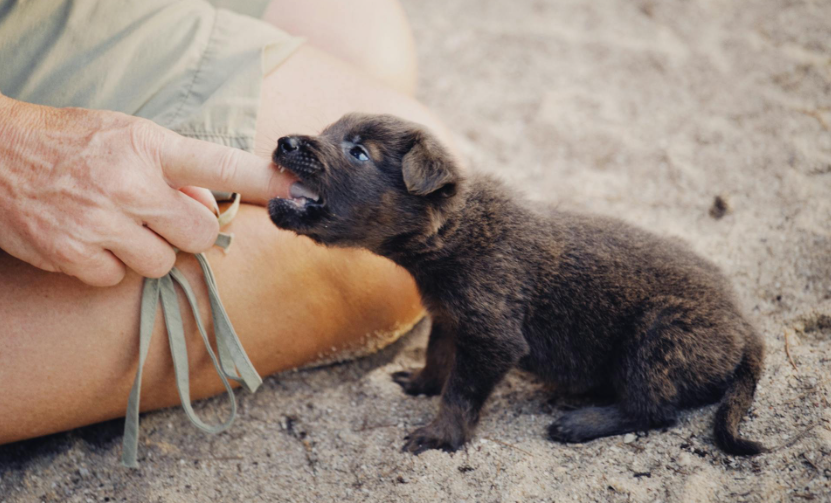
Of note, even where the attack was provoked or partially the fault of the person injured, there may be liability under the Act. The court may reduce damages in proportion to the degree that the person bitten or attacked was at fault or negligent. If a person provokes a dog, teases it or puts their hand through a fence for example, their damages may be reduced. The touching of a dog by a child or a "friendly hug" has been held not to constitute a contributing factor to warrant the reduction of damages. Similarly the mere touching of a dog by way of a friendly pat does not constitute contributory negligence.
What to do after a dog bite in Hamilton or Southern Ontario
Dog attacks are disorienting. Most people don't know what to do in the first hour - and that first hour matters more than most lawyers will tell you upfront.
Get medical attention first. Dog mouths carry bacteria that cause serious infections, and even a small puncture wound can turn into something that needs antibiotics or a tetanus shot. Don't wait to see if it gets better.
Call Hamilton Animal Services or your local municipal bylaw office. In Hamilton, By-law 04-062 requires the city to investigate dog attacks - they'll identify the animal, track down the owner, and confirm whether the dog's vaccinations are current. That investigation creates a paper trail you'll want if you pursue a claim.
Photograph everything before it heals. Injuries, the location, torn clothing, the dog if it's safe to do so. Get the owner's name and contact information. Get witness names too.
Don't apologize to the owner. Don't say anything about fault. Just get the information and leave.
Before you contact a lawyer, it also helps to know what to bring to that first conversation. The Initial Consultation: What to Bring With You covers exactly that.
How long do you have to file a dog bite claim in Ontario?
Two years. That's the window under the Ontario Limitations Act, and it's firm.
Miss it and you lose your right to sue - full stop. Two years sounds like plenty of time. It isn't, once you factor in gathering medical records, getting an independent medical assessment, and giving a lawyer enough runway to build the claim properly. Starting early isn't just smart. It's the difference between having options and not having them.
There's a wrinkle worth knowing. Under s.5 of the Limitations Act, the two-year clock doesn't always start on the date of the bite. It can start from the date you first had reason to believe a legal claim was appropriate. That matters in dog bite cases more than people realize - psychological injuries like PTSD, or infections that develop into something chronic, sometimes don't fully manifest for weeks or months after the attack. If that's your situation, the clock may not have started when you think it did.
One more thing: if the victim is a minor, the two-year period doesn't begin running until they turn 18.
What compensation can you claim after a dog bite?
The short answer is: more than most people expect.
Pain and suffering is the most obvious category - the physical injury and the emotional aftermath of the attack. But the financial losses are often what catch people off guard. OHIP doesn't cover everything. Psychological counseling for PTSD, private physiotherapy, specialized dental repair from facial injuries - those costs add up fast, and they're all recoverable.
Lost wages are claimable if your injuries kept you from working. Permanent scarring and disfigurement are assessed separately - courts treat visible facial scarring differently than scarring that can be covered by clothing, and the compensation reflects that distinction. If the injury has ongoing consequences - nerve damage, chronic infection complications, lasting mobility issues - future care costs can be claimed as well.
Every case is different. The severity of the attack, the nature of the injuries, and the long-term impact on your life all factor into what a claim is worth.
If you need consultation regarding a dog bite or attack in Niagara Falls, Hamilton, Burlington, Brampton, Guelph or another city in Southern Ontario, please contact our Hamilton office for a free consultation.